Showing posts with label Estates. Show all posts

Thursday, 18 February 2021

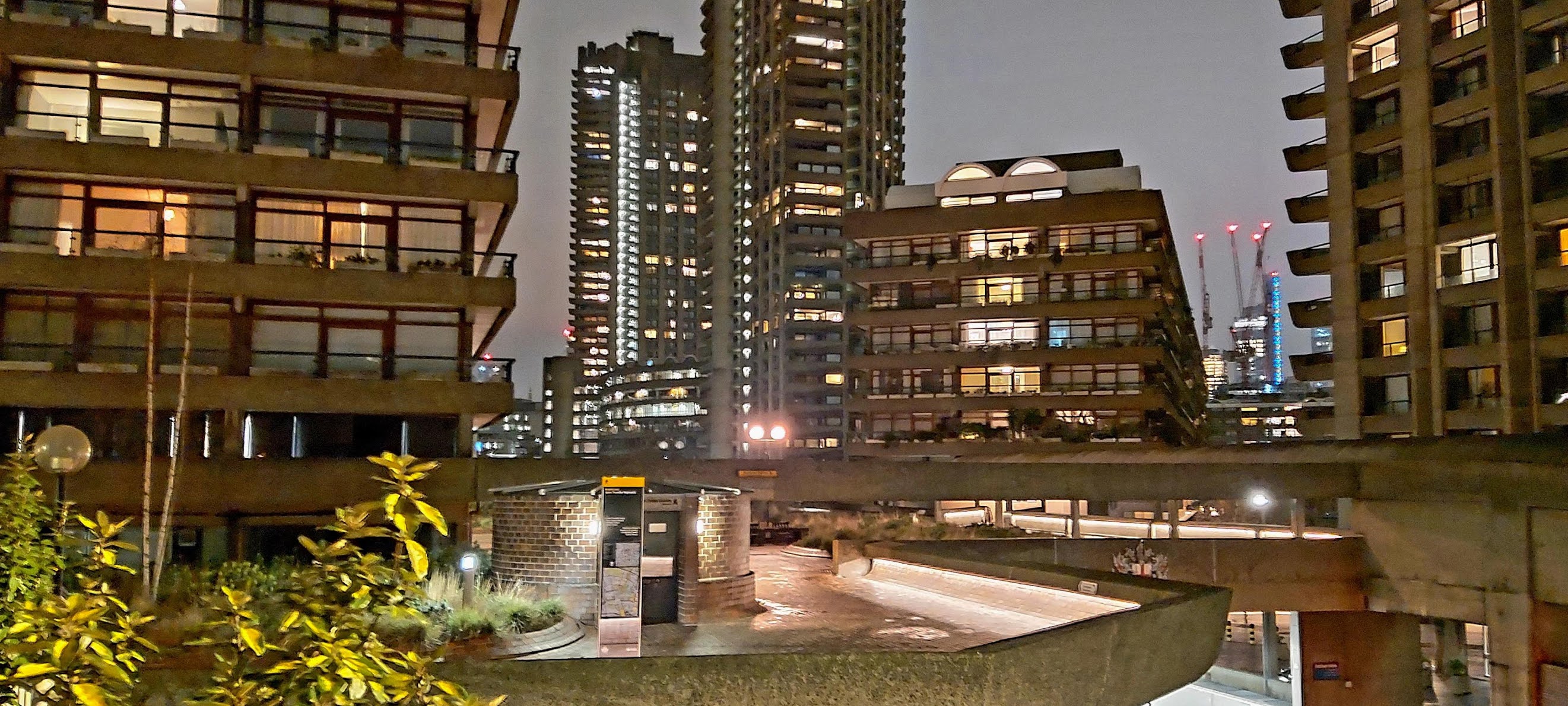
I Took Too Many Photos of the Barbican. Monday. 7pm.

 Launderette?
 Launderette?
 
 Launderette? 
 
Launderette?
 
 Launderette?
 
 Launderette?
 
 Launderette?
 Launderette? 
 
 Launderette?
 
 Launderette?
 
 Launderette?
 
 Launderette! 

 Launderette?
 
 Launderette? 
 Launderette?
 
 Launderette?
 
 Launderette?
 
 Launderette?
 
 Launderette?
 
 Launderette?
 
 Launderette? 
 Launderette! Thanks to Barbican resident Martha for the tip.

Wednesday, 17 February 2021

Barbican Placeholder

 
 "Can you give us then an assurance that there will be a launderette built here in a few months' time on the estate itself?"
 
 
 "Yes I can give you that assurance yes."


"And where will it be?"

 
 "That we don't know. If we knew where it was it would be built by now. That has been the problem. To find the site for it."
 
 
 "But have you actually managed to find a site for it yet?"
 
... Sorry to lag. I'm trying to edit a showreel, and my laptop keeps crashing every time I make a change, but the save gets changed, so on we push, and hopefully I'll have licked my way through this diamond before the weekend. If it wasn't eating so much into my time and eyes right now, I'd be posting pictures of the nightwalk I took round the Barbican. I like the estate, but it's unfortunate the provision of a launderette proved so conditional on there not being a massive arts centre, as this hard-hitting piece on the Barbican not having a launderette exposés:
 
  
 Is this what J. G. Ballard's High-Rise was about? The Barbican not having a launderette? TO BE CONTINUED...

Wednesday, 19 August 2020

And now I can't stop thinking about Ian Nairn


 I found the little wall he had a sit down on after interviewing that doctor. It's even littler now:


 I was inspired by No Two The Same to stroll to Pimlico this evening, retrace the faltering steps of Ian Nairn, and check out the housing estates:


 The Churchill Estate still seemed to be working nicely. The Mighty Fin used to rehearse musicals here, in the hall on the corner, but I'd never before ventured beyond these bollards:

 There was a lot more green than estates are given credit for. Brutalism doesn't have to look shit when it rains. There are cobbles once you leave the road, and bricks, and bark, and all were gleaming tonight:

 By the time I got to the Lillington Estate, it was darker:


 It's on Vauxhall Bridge Road, where I used to go to school, so, again, an area I should have been familiar with, but I'd never ventured into:


 It's more labyrinthine than the Churchill Estate, which is a hard quality to capture on camera, especially if the light's poor. I found a "sensory garden" but, again, my photo didn't really do it justice, so this isn't it:


  And today I discovered that the term Brutalism comes from the French term for concrete: Bréton brut, so has absolutely nothing to do with brutality, which makes sense to me, but is unfortunate. This sign says "Caution, Bees":


 These estates' biggest mistake is probably just believing the earth beneath them would stay still, which is why the cracks appear and the paving stones go wobbly. But it's naivety rather than neglect and, I think, the opposite of brutal.


 And it was a nice day for it. But now I need a sit down.

Tuesday, 18 August 2020

The Village


 "I say people will insist on things being different."

 After Sunday's post, I can't stop thinking about Thatcher, so here's some Socialism. My parents recommended "They Came To A City" to me, or at least told me they'd enjoyed it – it's an unapologetically utopian thought experiment from pipe-smoker J. B. Priestley, just before Orwell put him on a list, and according to my parents, a lot of it has come true. There's another slice of the film on youtube, but these are all I could find. What my algorithms throw up next is not a third clip, but perhaps the most concentrated dose of Seventies British Programming I've encountered outside of pastiche...

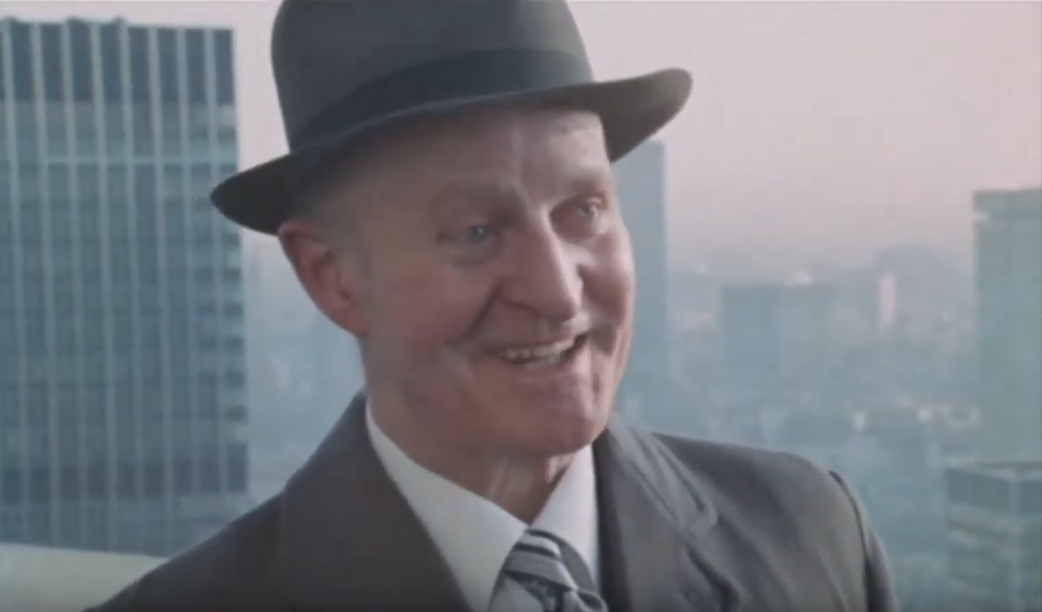
 It's called "No Two The Same". I don't know why. It's from 1970, and features a nervous writer called Ian Nairn, saying nice things about a couple of housing estates in Pimlico. Here's Ian with his back to us, interviewing a doctor:

  Initially I wasn't sure why they were both leaning on a car, but then I noticed Ian having a bit of a sit for pieces to camera other presenters might have remained standing for. There didn't need to be a chair nearby. A wall or a bollard would do.

 I looked Nairn up. He died thirteen years after this was shot. I realise that's morbid, but it's a hard question to ignore while you watch him in action. He's really not comfortable standing.

 But he's talking about hope. Not towering hope like Priestley's, just something on the "oh that'll be nice" scale, and it's a tone I'm unfamiliar with. It's not an unemotional watch. Here's more. 

 Here are lives having attention paid to them, not just by Ian and his film crew, but by the makers of the places they inhabit. 

 It's common to dismiss architects like Le Corbusier for asserting "a house is a machine for living in", but I'd rather that than the uninhabited gated off from the uninhabitable.

Ian talks of it as a village, but also seems to enjoy the anonymity these new places afford. It's odd to think hope also looked like this.

 "Nice day for it," he says as he's greeted at the door. I think it's the first time I've heard this said for real, outside of a sketch.

 But all this is real.


  Which isn't to say it's not funny.


  But it's not just funny.


 Here's the full piece:


  P.S. Bonus notice: It opens EXACTLY like an old episode of Dangermouse, to the point where I wonder if it was an influence.